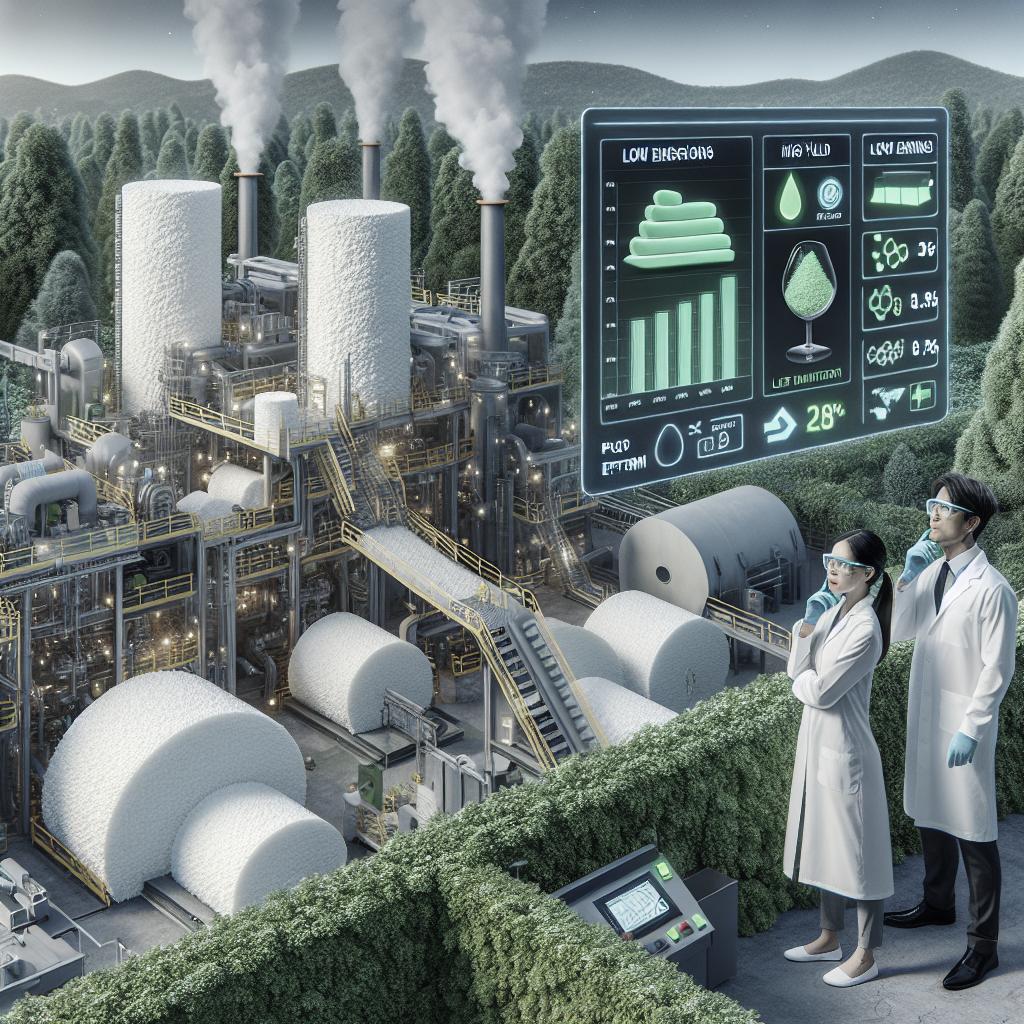
The Future of Foam Filling Technology
Foam filling technology is revolutionizing industries ranging from automotive to packaging, offering outstanding benefits that enhance performance and sustainability. This blog post delves deep into the intricacies of foam filling technology, comparing it with other filling techniques, and highlighting the importance of dry foam. We further discuss why Foam First Filling Technology stands out and offer real-world scenarios displaying its effectiveness. For those looking to integrate the latest advancements in their operations, understanding these facets is crucial. Join us as we explore why this innovative approach to filling technologies is paving the way for future trends.
COMPARING FILLING TECHNOLOGIES
In the realm of manufacturing and industrial applications, multiple filling technologies are employed, each with its distinct advantages and disadvantages. Traditional liquid filling technologies, for example, have long been the go-to method for applications requiring precise volume control and containment. While effective, they often come with challenges such as spill potential and material waste. On the other hand, powder filling techniques offer advantages in terms of less spillage and easier cleanup, but they may lack the consistency needed for high-stakes industrial applications.
Foam filling technology bridges the gap between these methodologies by providing a unique combination of consistency, efficiency, and reduced waste. Unlike liquid or powder filling, foam offers a highly adaptable and versatile solution that can be customized to fit the specific needs of diverse industries. Moreover, foam’s innate ability to expand and conform to irregular shapes ensures that voids are effectively filled, enhancing both structural integrity and insulation.
WHY DRY FOAM MATTERS
Dry foam has emerged as a game-changer in filling technology due to its lightweight properties and superior performance characteristics. Unlike its liquid counterparts, dry foam ensures a minimal increase in overall weight, making it ideal for applications where preserving weight specifications is crucial, such as in aerospace and automotive industries. Besides, dry foam’s stability under various environmental conditions, such as temperature and humidity, makes it a reliable choice for a wide range of products.
In addition, dry foam provides excellent insulation properties. Its ability to trap air effectively within its matrix makes it an exceptional thermal and acoustic insulator. This is particularly beneficial in construction and manufacturing sectors where maintaining environmental control is paramount. Companies now, more than ever, recognize the need for materials that offer energy efficiency and noise reduction without compromising on structural integrity.
WHY CHOOSE FOAM FIRST FILLING TECHNOLOGY
Foam First Filling Technology is transforming how industries approach the integration of foam into their products and processes. This advanced technology reduces the time and complexity of traditional filling methods through its innovative application techniques. The technology not only optimizes the filling process but also enhances the bonding between foam and other materials. With its enhanced efficiency and performance metrics, more businesses are moving towards Foam First solutions for their operational needs.
Furthermore, the sustainability aspect of Foam First Filling Technology cannot be ignored. It supports the use of environmentally friendly materials and significantly cuts down on emissions and resource use. This makes it an attractive option for companies seeking to reduce their carbon footprint and align with global sustainability goals. As industries shift towards greener solutions, adopting technologies that emphasize efficient material use and reduced environmental impact is becoming central to modern industrial strategies.
SEEING IS BELIEVING
The effectiveness of foam filling technology is best understood through real-world case studies that illustrate its transformative potential. In the automotive industry, for instance, manufacturers have integrated foam filling to enhance vehicle safety by improving crashworthiness while simultaneously reducing vehicle weight. Similarly, in the packaging industry, companies have successfully used foam to provide better protection during transportation, minimizing breakage and product loss.
These applications underscore the versatility and adaptability of foam filling technology. Increased foam use in various industries points towards a broader trend of innovation and efficiency. With advancements in formulation and application processes, foam filling technology continues to evolve, offering new possibilities that were previously unimaginable.
Related
As industries continue to advance, keeping up with related technologies such as robotics in manufacturing, AI integration in process efficiency, and the development of biodegradable materials will further expand the utility and application of foam filling technology. Exploring these intersections can offer deeper insights into how businesses can optimize their processes and products for future success.
Future Prospects
| Aspect | Description |
|---|---|
| Filling Techniques | Comparison of liquid, powder, and foam filling technologies, highlighting foam’s versatility. |
| Dry Foam | Advantages of dry foam including lightweight properties and excellent insulation capabilities. |
| Foam First Technology | Benefits in terms of efficiency, bonding, and environmental sustainability. |
| Real-World Applications | Examples from automotive and packaging industries showcasing foam’s effectiveness. |