Exploring Comfort Applications for Foam
Foam has woven itself into the fabric of our lives, becoming an essential component in an array of everyday products. From plush mattresses that promise a good night’s sleep, to comfortable seating that cradles us during long hours of work or travel, foam’s versatility is unparalleled. This article delves into the various comfort applications for foam, highlighting its omnipresence, distinguishing between different forms, and understanding the critical ingredients that make each application unique. Through this exploration, we aim to shed light on the marvels of foam technology and its contribution to enhancing human comfort.
Foam is Everywhere…
Page Summary
Foam has become omnipresent in a variety of industries, with its applications ranging from household items to commercial products. Its versatility and ability to provide comfort make it a preferred material in manufacturing. In the world of sleep, memory foam mattresses have revolutionized how people perceive comfort during rest. Meanwhile, in the automotive and furniture industries, foam provides the cushioning that makes long rides bearable and sitting hours more comfortable.
Moreover, the use of foam extends beyond comfort. In packaging, it acts as a protective barrier cushioning products against damage during transport. Similarly, in sports, foam plays a critical role in protective gear, absorbing impact and reducing the risk of injury. This widespread usage demonstrates foam’s adaptability and the ingenious ways it can be tailored to meet various needs, enhancing everyday life in the process.
All Foam is Not Created Equal
Despite foam’s versatility, not all foam is created equal. Variations in density, texture, and composition mean that different types of foam are suited to different applications. For instance, memory foam, known for its ability to contour to the body, is often used in mattresses and pillows to provide personalized comfort. On the other hand, high-resilience foam with its durability and breathability, makes it ideal for furniture and seating applications.
Another aspect that distinguishes various foams is their manufacturing process. Flexible polyurethane foam is a staple in cushioning applications due to its softness and flexibility. In contrast, rigid foams developed for insulation purposes have higher structural integrity and temperature resistance. Understanding these distinctions helps in selecting the right type of foam for specific applications, ensuring maximum performance and satisfaction.
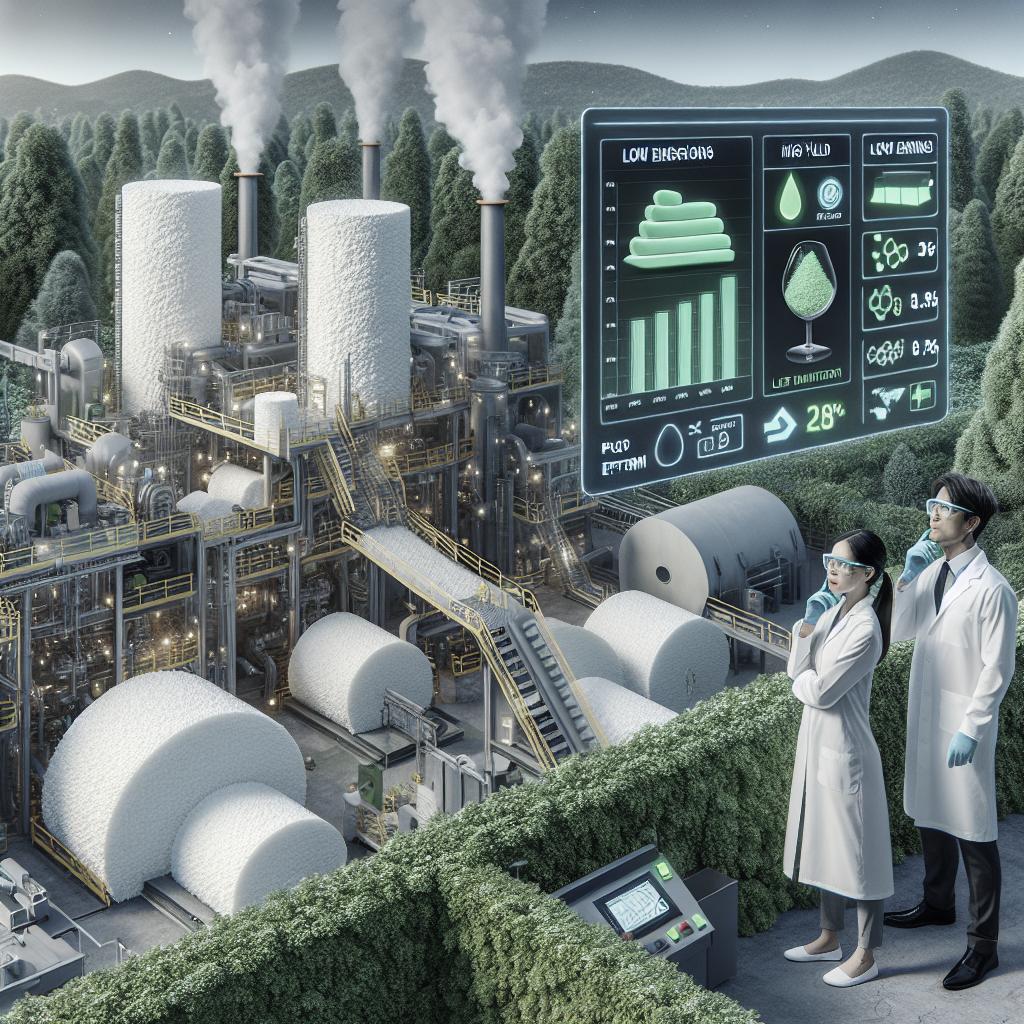
Moreover, innovations in foam technology have led to the development of eco-friendly options, reducing environmental impact while maintaining quality. These advancements offer a glimpse into the future of foam production, where sustainability and performance go hand in hand.
Key Ingredients to all Foam Applications
The secret to foam’s widespread application lies in its essential ingredients and the manufacturing processes that mold it. Polyurethane plays a pivotal role in creating flexible foams used extensively in bedding and furniture. Its ability to be crafted into various densities provides options for softness or firmness, catering to diverse comfort preferences.
In contrast, polystyrene, the main component in rigid foams, offers unparalleled insulation and lightweight properties, making it perfect for packing and construction materials. The addition of different blowing agents and additives such as fire retardants or anti-static compounds further tailors foam properties to meet safety standards and specific application needs.
Additionally, an increasing focus on sustainability has introduced plant-based polymers and biodegradable options in foam production. By experimenting with different formulations, manufacturers are pushing the boundaries of what foam can achieve, balancing comfort, performance, and environmental responsibility.
Final Thoughts
Foam’s prevalence in modern life is a testament to its adaptability and comfort-enhancing properties. Understanding the nuances of different foam types and their applications opens up new possibilities in product design and comfort innovation, paving the way for exciting future developments.
| Aspect | Details |
|---|---|
| Presence | Foam is widely used across various industries for comfort, protection, and insulation purposes. |
| Types | Includes memory foam, high-resilience foam, polyurethane foam, and polystyrene foam, each suited for different applications. |
| Ingredients | Composed mainly of polyurethane and polystyrene, with additives to enhance specific properties. |
| Innovation | Sustainable foams are being developed with plant-based polymers and biodegradable options. |