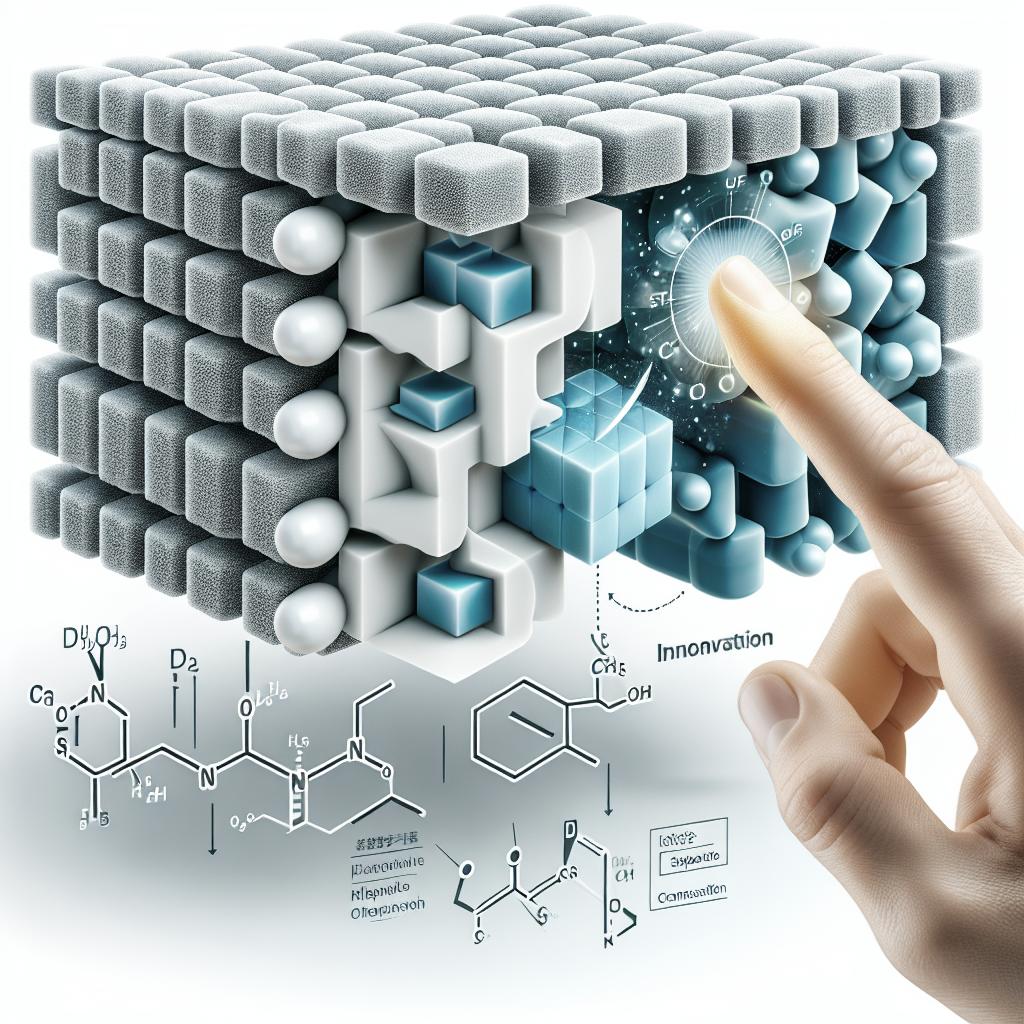
Exploring the Future: Shock-Absorbing Foam Innovations
Shock-absorbing materials have become a vital component of numerous industries, from automotive to consumer electronics, playing a crucial role in enhancing safety and performance. This blog post delves into the intriguing world of shock-absorbing foam innovations, examining their use across various departments and focus areas. We’ll highlight specific categories of foams like the cutting-edge SH-394-9-Z polyurethane foam, exploring its practical applications in solving complex design challenges. Additionally, recent related news and advancements in the field provide context to the ongoing innovations, with expert insights into future applications. Join us as we journey into the transformative impact of shock-absorbing technologies and their potential to redefine industry standards.
Departments:
The implementation of shock-absorbing foams is widespread, servicing multiple departments such as automotive, aerospace, construction, and electronics. In the automotive sector, these foams are pivotal in creating safer vehicle interiors and impact zones, crucial for both driver and passenger safety during collisions. Their ability to dissipate force efficiently reduces the risk of injury, underscoring their importance.
In aerospace, innovations in shock-absorbing materials result in lighter, more resilient aircraft structures. Materials that effectively absorb shock can improve flight performance, reduce maintenance costs, and enhance passenger comfort. The construction industry, too, benefits, as these foams play a role in soundproofing and vibration control, ensuring the structural health of buildings.
Focus Areas:
The focus of shock-absorbing foam research lies predominantly in enhancing durability, weight reduction, and versatility. Researchers aim to develop materials that can withstand extreme environmental conditions, thereby expanding the foam’s potential uses across various industries. Innovative foams like viscoelastic materials are revolutionizing how sectors approach product safety and reliability.
The technology and electronics industries focus on miniaturization and heat resistance. Shock-absorbing materials capable of dissipating heat and managing mitigation effectively protect sensitive components, enabling smaller and more efficient devices. Furthermore, sustainability is becoming a focal point, with a push to create eco-friendly, biodegradable solutions.
Categories:
Shock-absorbing foams are categorized by their material composition, performance characteristics, and intended applications. Among these, open-cell and closed-cell foams stand out. Open-cell foams are lauded for their flexibility and breathability, suitable for acoustic and cushioning purposes.
Closed-cell foams, on the other hand, offer superior shock absorption and water resistance, ideal for protective packaging, flotation devices, and thermal insulation. Advanced polyurethane and silicone foams are engineered to provide a balance between shock absorption and minimal resilience loss, meeting diverse industrial requirements.
Understanding Shock and Vibration
Shock and vibration refer to the transfer of kinetic energy through materials, which can lead to damaging impacts and structural fatigue. Understanding these phenomena is vital for engineers and designers who seek to improve product longevity and functionality through superior materials.
By enhancing structural integrity and dissipating energy, shock-absorbing foams can prevent catastrophic failures in sensitive equipment and safeguard human lives. These materials must be tailored to the specific frequency and amplitude of vibrations in various applications, ensuring optimal performance.
SH-394-9-Z Polyurethane Foam
The SH-394-9-Z polyurethane foam is a game-changing innovation in the world of shock-absorbing materials. Known for its durability and efficiency, this foam offers exceptional energy absorption capabilities, setting new standards in safety and reliability across industries.
Its lightweight nature coupled with high resilience makes it ideal for applications ranging from automotive interiors to consumer electronics, where safety and comfort intersect. As industries continually seek enhanced performance and reduced weight, the SH-394-9-Z foam is at the forefront of meeting these demands.
Complete Solutions to Design Challenges
Designing solutions for industries reliant on shock-absorbing materials involves balancing physical properties, like density and compression, with aesthetic and environmental considerations. Modern applications demand customizable properties to meet specific needs, making one-size-fits-all solutions obsolete.
Recent advancements allow engineers to tailor foam characteristics to exact specifications, streamlining product development and enhancing end-user satisfaction. These improvements tackle design challenges by providing robust solutions that optimize safety and efficiency across various fields.
Related News
Ask an expert: Juliana Duarte discusses what’s on the horizon for nuclear in the nation’s overall energy landscape
Juliana Duarte, an expert in energy systems, recently shared insights into how shock-absorbing materials might influence the nuclear energy sector. With the rise of new materials, nuclear facilities can potentially increase safety standards and operational efficiency while reducing costs.
As energy infrastructures modernize, the integration of shock-absorbing foam technologies can mitigate risks associated with seismic activities, thereby protecting critical installations. This cross-industry application exemplifies the far-reaching impact of material innovations.
New hands-on course launches first-year students’ journey into aerospace engineering
In an exciting development, a hands-on course for first-year students in aerospace engineering incorporates the latest innovations in shock-absorbing materials. Students engage with real-world applications and challenges, enhancing their understanding of material science and its impacts.
This educational initiative not only prepares students for the future of aerospace but also fosters innovation as they experiment with cutting-edge materials, including the aforementioned polyurethane foams, integrating theory with practice.
New thermophotovoltaic device amplifies energy output
A groundbreaking advancement in energy output has emerged with the design of a new thermophotovoltaic device. The use of shock-absorbing foams within these devices helps manage thermal stresses, thereby improving efficiency and longevity.
By reducing the mechanical strain on components, these devices can achieve higher levels of performance, showcasing another innovative application of shock-absorbing materials. This technology could pave the way for more efficient energy solutions in the future.
Final Thoughts: Impact and Innovation in Material Sciences
| Section | Key Points |
|---|---|
| Departments | Applications in automotive, aerospace, construction, and electronics focusing on safety and performance improvements. |
| Focus Areas | Research in durability, weight reduction, versatility, miniaturization, heat resistance, and sustainability. |
| Categories | Features of open-cell vs closed-cell foams, including polyurethane and silicone varieties. |
| Understanding Shock and Vibration | Importance of dissipating energy to improve structural integrity and equipment durability. |
| SH-394-9-Z Polyurethane Foam | Noteworthy for durability, weight savings, and energy absorption efficiency. |
| Complete Solutions to Design Challenges | Customizable foam properties optimize safety and efficiency. |
| Related News | Exploration into nuclear energy, aerospace education, and thermophotovoltaic device advancements. |