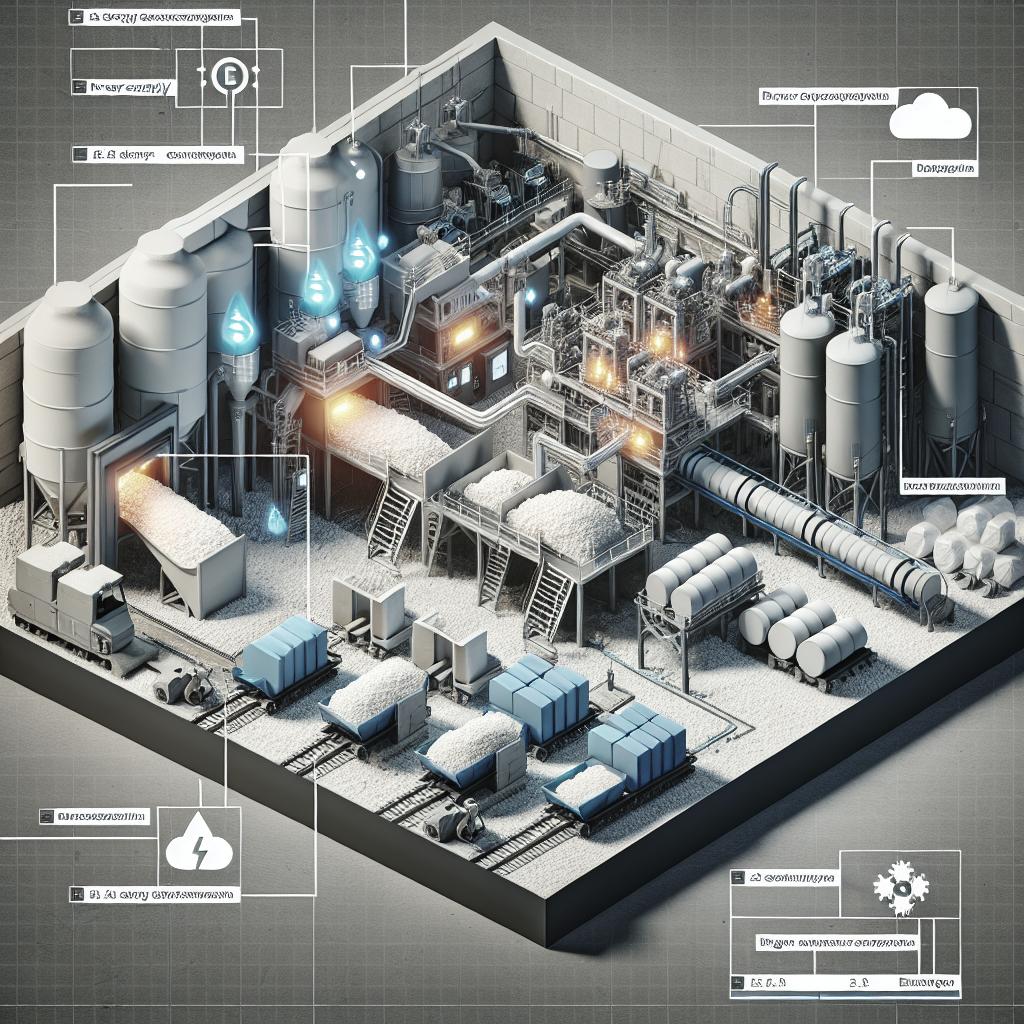
Foam Production Energy Requirements
Energy consumption is a persistent challenge within the foam production industry, with factories frequently grappling with high energy demands. Spray foam insulation presents an ideal solution, offering increased efficiency and reduced costs due to its superior insulation properties. This article explores how energy costs affect industrial operations and how facilities, particularly in Mississauga, can leverage spray foam insulation to mitigate expenses. By understanding these dynamics, factory owners can make informed decisions about upgrading their insulation to optimize energy use and save on operational costs.
The Predicament of Energy Consumption in Factories
Factory operations are notorious for their substantial energy requirements, driven by the need to power machinery, maintain optimal indoor temperatures, and facilitate continuous production processes. This energy demand can lead to exorbitant costs, affecting the overall profitability of manufacturing entities. Furthermore, as energy prices fluctuate, factories may find themselves unprepared for unexpected increases in utility bills.
In many cases, the infrastructure of these production facilities is outdated, relying on inefficient heating, ventilation, and air conditioning (HVAC) systems, as well as inadequate insulation. These shortcomings exacerbate the problem, forcing manufacturers to purchase more energy than necessary just to maintain basic operations. Consequently, there is an urgent need for industries to reassess their energy use strategies to enhance efficiency and sustainability.
Why Spray Foam Insulation is Ideal for Factories
Spray foam insulation has emerged as an optimal solution for factories seeking to curb their energy usage. Unlike traditional insulation materials, spray foam expands upon application to create a tight seal, which greatly minimizes air leaks and enhances thermal performance. This advanced sealing capability ensures that conditioned air remains within a facility’s walls, reducing the workload on HVAC systems and preventing unnecessary energy loss.
Furthermore, spray foam’s durability and longevity make it a worthwhile investment for factories. Once applied, it retains its insulating qualities over time, unlike some materials that degrade and require frequent maintenance or replacement. This reliability means that factories can enjoy sustained energy savings and improved environmental control without the added costs of continual upkeep.
Impact on Energy Costs
The impact of spray foam insulation on energy costs can be substantial. By effectively sealing a building envelope, spray foam reduces the need for heating and cooling, directly translating to lower energy bills. In many cases, factory owners report savings of up to 30% on their utility expenses after installing spray foam insulation.
Additionally, the efficiency gains achieved through proper insulation can contribute to a facility’s sustainability efforts. Reduced energy consumption not only cuts costs but also lessens the overall carbon footprint of the production process. This is particularly beneficial for industries facing increasing pressure to meet environmental regulations and consumer demand for greener business practices.
Control Energy Costs with Spray Foam Insulation in Mississauga
In regions like Mississauga, where temperature fluctuations can be extreme, establishing a reliable and efficient insulation system is crucial for energy cost control. Spray foam insulation provides an effective barrier against outdoor weather conditions, ensuring that factories remain thermally stable regardless of the season.
For facility managers in Mississauga, the adoption of spray foam insulation can lead to significant cost reductions. By enhancing the building’s energy efficiency, factories can better allocate resources, potentially reinvesting the savings into other areas of their operations, such as production enhancements or employee welfare programs. This proactive approach not only strengthens the factory’s economic position but also contributes to a more sustainable manufacturing sector.
Next Steps:
| Key Topics | Summary |
|---|---|
| The Predicament of Energy Consumption in Factories | Factories face high energy demands and costs due to inefficient systems, highlighting the need for improved energy strategies. |
| Why Spray Foam Insulation is Ideal for Factories | Spray foam offers superior insulation capabilities, enhancing energy efficiency and reducing operational costs. |
| Impact on Energy Costs | Installing spray foam insulation can lead to energy savings of up to 30% while supporting sustainability goals. |
| Control Energy Costs with Spray Foam Insulation in Mississauga | Mississauga factories can benefit from spray foam’s efficiency, leading to reduced energy bills and improved sustainability. |