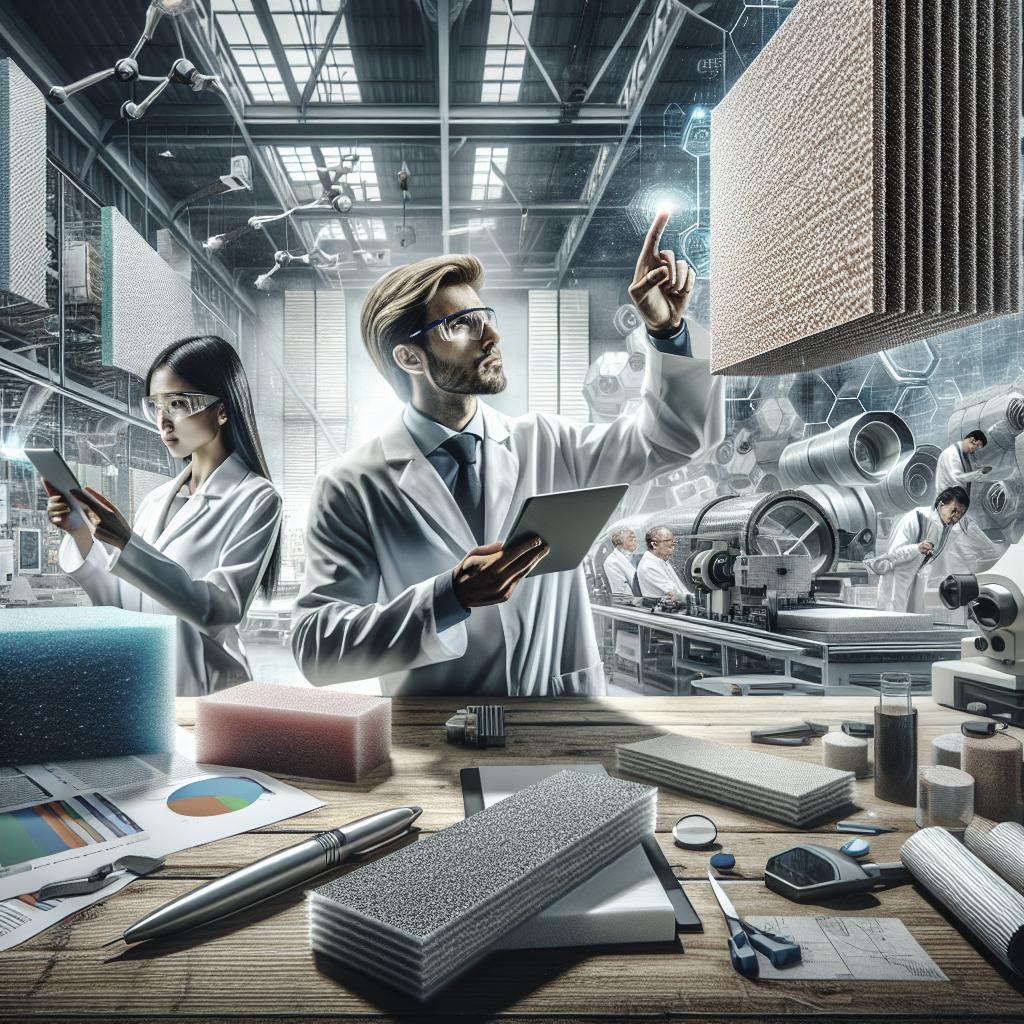
In recent years, the field of foam laminate has undergone significant innovation, sparking interest from industries spanning technology, automotive, sports, and fashion. This dynamic advancement results from emerging materials and technologies, ranging from EVA foam advancements to eco-friendly alternatives like Si-TPV. This article explores these innovations, challenges, and their applications across different sectors, offering insight into the latest trends and future potential of foam laminate technology. Dive into topics like sustainable material suppliers, emerging haptic technologies, enhancements in comfort, and innovative solutions for electric vehicles, among others.
Related News
Innovation within foam laminate technology has seen a surge of fresh developments and breakthroughs, particularly centered around new materials that promise increased sustainability and versatility. This advancement aligns with industry trends prioritizing eco-friendly solutions without compromising performance.
Recent news highlights efforts in utilizing advanced composites and technologies, such as Si-TPV and EVA, which are not only environmentally friendly but also provide superior comfort and functionality across various applications. These developments have been bolstered by growing consumer demand for sustainable product choices.
Emerging Haptic Technologies Necessary…
Haptic technology in foam laminate is becoming an essential part of enhancing user interactions, especially in consumer electronics and virtual reality environments. The incorporation of haptic feedback mechanisms allows for a more immersive and tactile user experience.
Emerging advancements in this area are focusing on creating more responsive and sensitive materials, which offer improved tactile sensations. These innovations are crucial for industries looking to leverage human-machine interactions, adding a new dimension to user engagement through foam composites.
What are the existing and emerging alternatives…
Exploring existing alternatives, materials like EVA foam remain popular due to their cushioning properties and durability, offering traditional solutions for a variety of applications. However, the push for sustainability is encouraging the exploration of eco-friendly substitutes.
Emerging alternatives include Si-TPV and recycled rubber composites, which provide similar benefits while reducing environmental impact. These materials not only support the manufacturing of sustainable products but also cater to the increasing consumer preference for eco-conscious alternatives.
Innovations made of EVA foam: The Technology…
EVA foam, or Ethylene-Vinyl Acetate foam, is a revolutionary material known for its soft yet durable properties, making it a popular choice in industries such as footwear, sports equipment, and packaging.
Recent innovations in EVA technology focus on enhancing these properties further, with the introduction of new formulations that offer better cushioning, increased elasticity, and resistance to wear and tear. These improvements are pivotal in extending the application range of EVA foam.
Suppliers of Sustainable and Eco-Friendly Materials…
The push towards sustainability has fostered the growth of suppliers dedicated to eco-friendly materials, including biodegradable composites and recycled content. These materials are playing a vital role in reshaping manufacturing processes with minimal environmental impact.
Leading suppliers are investing in research and development to provide materials that meet stringent environmental standards without sacrificing performance, thereby driving innovation foward in foam laminate systems, among others.
Eco-Comfort: Si-TPV’s Soft Solutions…
Si-TPV, or Silicone Thermoplastic Vulcanizates, offer a notable advancement in the realm of foam laminate technology by combining the flexibility of silicone with the processability of TPV. This results in materials known for exceptional comfort and elasticity.
These materials are not only comfortable but environmentally friendly, as they can be formulated to include recycled content. This allows manufacturers to create products that are both sustainable and aligned with current industry standards for comfort and usability.
A Shower of Solutions: Rethinking Challenges…
The foam laminate industry continually tackles the challenge of maintaining performance while adopting sustainable practices. As demand for eco-friendly products increases, manufacturers must innovate to meet these expectations without sacrificing functionality.
Solutions, such as advanced recycling methods, and the development of bio-based foams, offer pathways to overcome these challenges. The industry is progressively rethinking traditional approaches, leading to innovative designs and manufacturing techniques.
Empowering Electric Vehicles: Innovative Approaches…
In the electric vehicle (EV) sector, foam laminate materials play a crucial role in sound insulation, lightweight construction, and passenger comfort. Industry trends point to increased use of advanced foaming techniques to enhance these aspects.
Innovations include the development of composite foams that offer enhanced thermal and acoustic properties, contributing to an improved overall driving experience while maintaining the sustainable ethos that the EV market strives for.
From TPE to Si-TPV: An Attractive Innovation…
The transition from traditional Thermoplastic Elastomers (TPE) to innovative Si-TPV represents a significant advancement in material science. Si-TPV enhances performance characteristics, offering greater elasticity and durability while maintaining eco-friendliness.
This innovation attracts industries looking for high-performance materials that do not compromise on sustainability, opening new avenues for applications in markets ranging from automotive to consumer goods.
Future-Forward Comfort: Exploring Innovations…
As consumer expectations evolve, the need for future-forward comfort in products is driving innovations in foam laminate technology. Developers are focusing on materials that offer superior comfort, adaptability, and sustainability.
These innovations are particularly relevant in the fashion and apparel industries, where products must not only meet comfort but also conform to evolving environmental standards. The integration of smart technologies within these materials marks a significant leap forward.
Hand Grip Solutions: Exploring Different Options…
The need for ergonomic design and comfort in hand tools and sports equipment has led to innovations in foam laminate technology specifically targeted at improving grip efficiency and reducing fatigue.
Developments in this sector include the use of specialized foam composites that provide enhanced tactile properties, offering users a secure and comfortable grip. These solutions are crucial for sectors focusing on user comfort and ergonomics.
How to make apparel and accessories adaptable…
The fashion industry is exploring foam laminate technology to create apparel and accessories that are adaptable to various climates and wearer preferences. Innovations include materials that dynamically adjust to temperatures, providing thermal comfort.
Such adaptable apparel not only caters to consumer comfort but also emphasizes sustainability through the use of materials that are durable and environmentally friendly. These advancements are reshaping how designers approach garment functionality.
How to reduce the hardness and enhance flexibility…
Reducing material hardness while enhancing flexibility is a significant challenge in foam laminate technology, particularly for products requiring high wear resistance and comfort, such as footwear and protective gear.
Innovative processing techniques and material formulations are being explored to achieve the desired balance of softness and strength, ensuring products meet user expectations for comfort and longevity without raising production costs.
Challenges and Solutions in Swimming Equipment…
Swimming equipment manufacturers face unique challenges with foam laminate due to the need for materials that perform well in water environments. Resistance to chlorine, durability, and comfort are essential factors.
Solutions are being developed through the integration of advanced foams and coatings that enhance performance while maintaining flexibility and comfort. These innovations are redefining standards for swimming products, ensuring they withstand rigorous use.
Confronting Challenges in Nylon Overmolding…
Overmolding nylon with foam composites is a complex process due to disparities in material properties, such as thermal expansion and bonding capabilities. Successfully addressing these challenges requires innovative approaches to material engineering.
Recent advancements include the development of specialized adhesion promoters and surface treatments that improve compatibility, facilitating effective overmolding and expanding applications for nylon composite products.
Elevating EVA Foam Material: Introducing Innovations…
EVA foam materials continue to evolve with innovations that elevate their attributes, focusing on enhanced comfort, durability, and eco-friendly properties. These advancements are expanding the scope of EVA foam applications in various sectors.
From sports and leisure products to automotive components, these innovations are ensuring EVA foam remains a staple in foam laminate solutions, consistently meeting industry demands for adaptable and sustainable materials.
3C Electronic Consumer Product Manufacturing…
The 3C electronic consumer product sector—comprising computers, communications, and consumer electronics—relies heavily on foam laminate innovations for product design and functionality, especially concerning packaging and protective components.
Advances in this field are focused on enhancing material strength, ease of processing, and recyclability, offering manufacturers improved solutions for efficiently meeting consumer and environmental needs.
Final Thoughts
| Topic | Key Points |
|---|---|
| Related News | New materials increasing sustainability and versatility, alignment with eco-friendly industry trends. |
| Emerging Haptic Technologies | Utilization in consumer electronics, focus on enhancing user interactions with sensitive materials. |
| Existing and Emerging Alternatives | Traditional EVA foam, eco-friendly substitutes like Si-TPV, and recycled composites explored. |
| Innovations in EVA Foam | Enhanced cushioning and elasticity, expands application scope. |
| Suppliers of Sustainable Materials | Focus on biodegradable and recycled content, reshaping manufacturing with minimal impact. |
| Eco-Comfort: Si-TPV | Combines silicone flexibility and TPV processability, supports comfort and sustainability. |
| Rethinking Challenges | Overcoming traditional approaches with bio-based foams and advanced recycling. |
| Empowering Electric Vehicles | Composite foams enhance thermal and acoustic properties. |
| TPE to Si-TPV | Transition marks enhanced performance and eco-friendly appeal. |
| Future-Forward Comfort | Focus on smart technologies and adaptability in fashion. |
| Hand Grip Solutions | Enhanced grip efficiency and comfort through specialized composites. |
| Apparel Adaptability | Focus on climate adaptability and eco-friendliness. |
| Reduce Hardness, Enhance Flexibility | Innovative processing to balance softness and strength. |
| Swimming Equipment Challenges | Solutions for durable and flexible materials in aquatic environments. |
| Nylon Overmolding Challenges | Advancements in adhesion and compatibility for overmolding. |
| Elevating EVA Foam | Innovations in comfort, durability, and sustainability continue application expansion. |
| 3C Consumer Product Manufacturing | Emphasis on material strength, processing, and recyclability. |