Exploring Recyclable Foam Products
As the world continues to grapple with environmental challenges, the need for sustainable alternatives has never been more pressing. Recyclable foam products are emerging as a promising solution to reduce waste and promote eco-friendly practices. This blog post delves into the evolution of foam products, the science behind their recyclability, the environmental impacts, and how businesses and consumers can contribute to a greener planet through responsible foam usage. Whether you’re an eco-conscious consumer or a business aiming to adopt sustainable practices, understanding the role of recyclable foam products can make a significant difference in your environmental footprint.
The Evolution of Foam Products
Foam products have come a long way since their inception in the early 20th century. Originally developed for industrial purposes, foam materials such as polystyrene gained popularity due to their lightweight and versatile nature. Over the decades, these materials found their way into various consumer products, from packaging to furniture, owing to their durability and cost-effectiveness.
However, the rapid expansion of foam use also led to environmental concerns. Traditional foam products are notoriously difficult to biodegrade, taking up space in landfills and contributing to pollution. Recognizing these issues, scientists and manufacturers have been innovating to develop foam products that are not only effective but also environmentally friendly. The advent of recyclable foam represents a pivotal shift towards sustainability, aiming to mitigate the ecological impacts of foam waste.
The Science Behind Recyclable Foam
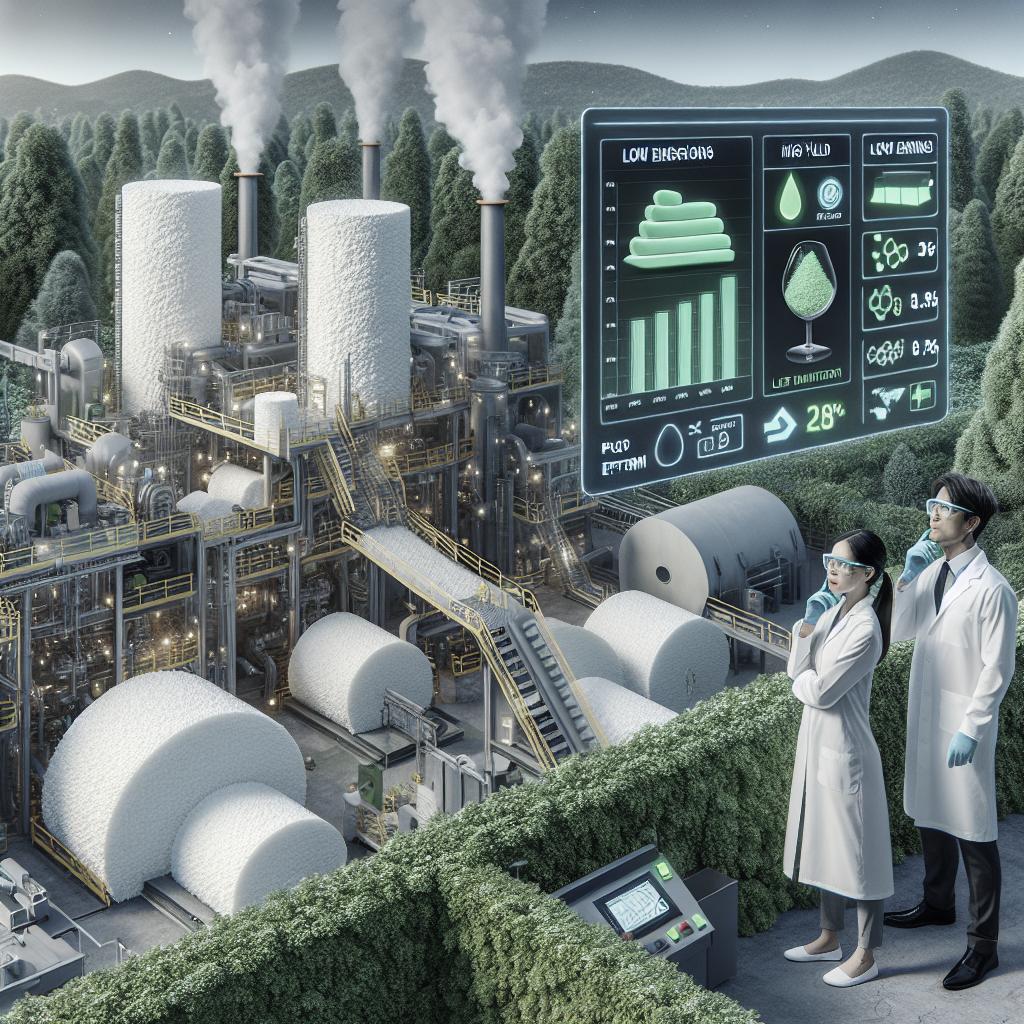
The recyclability of foam products largely hinges on the materials and manufacturing processes involved. Recyclable foam is typically made from materials like expanded polystyrene (EPS) or polyethylene, which can be broken down and repurposed without degrading quality. The recycling process involves collecting used foam products, compressing them into dense blocks, and then reprocessing them into new forms.
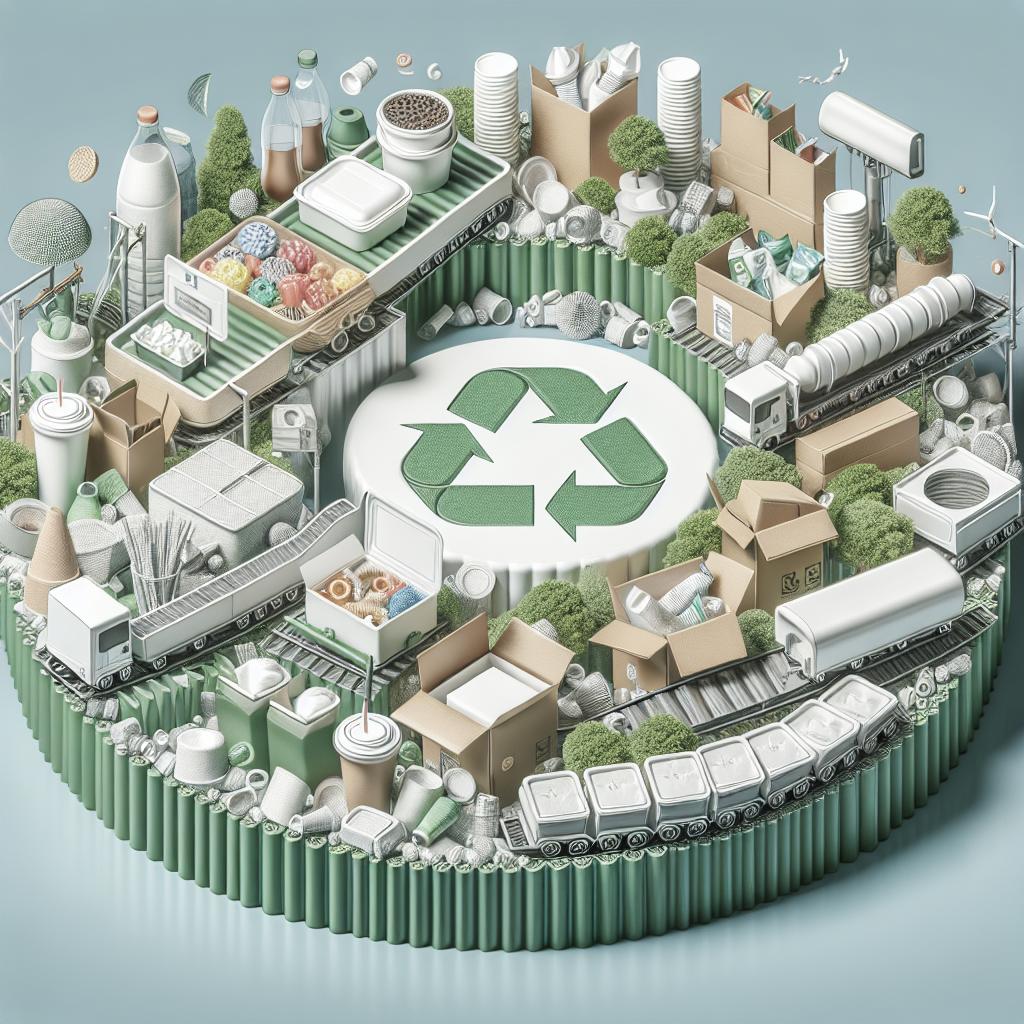
Advances in recycling technologies have made it possible to convert foam waste into raw materials for a range of applications. This closed-loop system not only helps reduce landfill waste but also lessens the demand for virgin materials, thereby conserving resources. Furthermore, the development of bio-based foams, derived from renewable resources, is paving the way for more sustainable material options in the foam industry.
Environmental Impacts of Foam Recycling
The positive environmental impacts of recycling foam cannot be overstated. By diverting foam waste from landfills, recycling significantly reduces greenhouse gas emissions and the potential for toxic leachate. Moreover, manufacturing products from recycled foam generally requires less energy compared to producing new materials, which decreases the overall carbon footprint.
The successful recycling of foam also plays a crucial role in conserving biodiversity. By minimizing the need for new plastic production, it reduces the detrimental effects that plastic manufacturing can have on ecosystems. Additionally, as sustainable practices gain traction, recyclable foams contribute to the global movement towards circular economy models, promoting long-term environmental health and resource efficiency.
How Businesses and Consumers Can Make a Difference
Businesses have a significant role to play in the transition to more sustainable foam products. By integrating recyclable foam into their operations, companies can demonstrate corporate responsibility and environmental stewardship. This not only enhances brand reputation but can also drive consumer preference in an increasingly eco-conscious market. Businesses can also invest in promoting foam recycling initiatives and collaborating with recycling facilities to close the loop on foam usage.
Consumers, on the other hand, can contribute by making informed purchasing decisions and opting for products made with recyclable foam. Participation in community recycling programs and awareness of proper disposal methods also help ensure that foam products are cycled effectively. By advocating for and supporting environmentally friendly practices, individuals can actively contribute to reducing foam pollution.